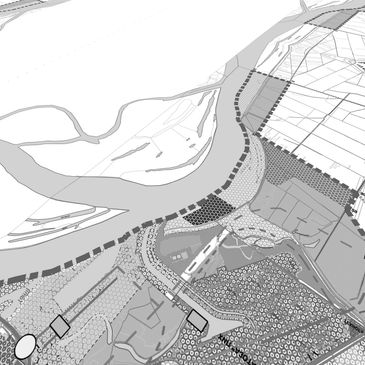
Phase 1 Habitat Survey and Report from £295
Biodiversity Net Gain / Project Feasibility, HMMP and River Condition Assessment from £295
Biodiversity Net Gain / Project Feasibility, HMMP and River Condition Assessment from £295
When developing land, planning authorities often require an ecological appraisal or habitat survey to ensure compliance with regulations, particularly in relation to Biodiversity Net Gain. This is usually provided as a Preliminary Ecological Appraisal (PEA) or an Extended Phase 1 Habitat Survey. These surveys assess the ecological value o
When developing land, planning authorities often require an ecological appraisal or habitat survey to ensure compliance with regulations, particularly in relation to Biodiversity Net Gain. This is usually provided as a Preliminary Ecological Appraisal (PEA) or an Extended Phase 1 Habitat Survey. These surveys assess the ecological value of habitats on site and identify evidence of, or potential for, protected species through comprehensive Protected Species Surveys. They typically include a site walkover survey as well as a review of existing ecological records.

Biodiversity Net Gain / Project Feasibility, HMMP and River Condition Assessment from £295
Biodiversity Net Gain / Project Feasibility, HMMP and River Condition Assessment from £295
Biodiversity Net Gain / Project Feasibility, HMMP and River Condition Assessment from £295
Biodiversity Net Gain (BNG) is a requirement for most developments in England, ensuring that a project will deliver measurable improvements for biodiversity. A BNG assessment includes conducting a UKHAB survey of existing habitats, calculates baseline biodiversity value using the DEFRA metric, and identifies habitat retention, enhancemen
Biodiversity Net Gain (BNG) is a requirement for most developments in England, ensuring that a project will deliver measurable improvements for biodiversity. A BNG assessment includes conducting a UKHAB survey of existing habitats, calculates baseline biodiversity value using the DEFRA metric, and identifies habitat retention, enhancement, and creation measures to achieve the necessary net gain. These BNG assessments support planning applications and condition discharge by providing clear, policy-compliant biodiversity outcomes. Additionally, River Condition Assessments are mandatory when a development is located near a watercourse and must be carried out by an Accredited RCA surveyor. These assessments inform mitigation strategies, enhancement opportunities, and ensure compliance with planning and environmental legislation.
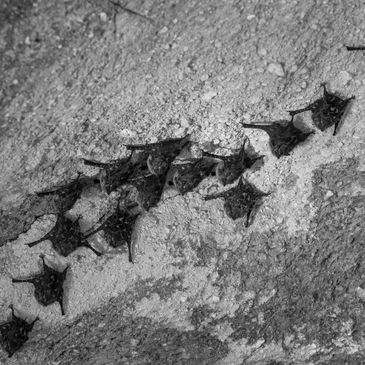
Endangered Protected Species Surveys from £195
Biodiversity Net Gain / Project Feasibility, HMMP and River Condition Assessment from £295
Endangered Protected Species Surveys from £195
Protected species surveys are essential when development proposals may impact legally protected wildlife or their habitats. These surveys, which are a key component of a Preliminary Ecological Appraisal, evaluate the presence, likely absence, or potential use of a site by protected species, including bats, great crested newts, reptiles, b
Protected species surveys are essential when development proposals may impact legally protected wildlife or their habitats. These surveys, which are a key component of a Preliminary Ecological Appraisal, evaluate the presence, likely absence, or potential use of a site by protected species, including bats, great crested newts, reptiles, badgers, and nesting birds. Conducted using appropriate, species-specific methods, these surveys not only inform planning applications and mitigation measures but also support compliance with wildlife legislation.
Endangered Protected Species Surveys

Bat Transect, Emergence and Static Detector Surveys from £195
Where development may result in the loss or degradation of bat foraging habitat, further survey work may be required to assess site use, species presence, and potential impacts. This information is critical for informing appropriate mitigation measures and protecting important flight lines and habitats. The need for bat activity surveys i
Where development may result in the loss or degradation of bat foraging habitat, further survey work may be required to assess site use, species presence, and potential impacts. This information is critical for informing appropriate mitigation measures and protecting important flight lines and habitats. The need for bat activity surveys is typically identified during a Preliminary Ecological Appraisal and usually involves a series of dusk and/or dawn walked transects, supported by static bat detector deployment.

Great Crested Newt eDNA Survey and Analysis from £295
Great crested newt eDNA surveys are essential for determining the presence or likely absence of great crested newts within ponds. These surveys not only play a crucial role in biodiversity net gain but are also integral to preliminary ecological appraisal processes. The method involves collecting water samples and analysing them for envir
Great crested newt eDNA surveys are essential for determining the presence or likely absence of great crested newts within ponds. These surveys not only play a crucial role in biodiversity net gain but are also integral to preliminary ecological appraisal processes. The method involves collecting water samples and analysing them for environmental DNA (eDNA) shed by the species. eDNA surveys are commonly used to inform planning applications and risk assessments, helping to decide whether further GCN surveys and/or mitigation measures are necessary.
Badger Survey from £195
Badger Survey from £195
Badger surveys are undertaken where development may affect badgers or their setts, and are an essential part of the Preliminary Ecological Appraisal process. The survey assesses the presence, distribution, and level of use of badger setts, while also identifying potential impacts of proposed works. These findings are crucial for informing
Badger surveys are undertaken where development may affect badgers or their setts, and are an essential part of the Preliminary Ecological Appraisal process. The survey assesses the presence, distribution, and level of use of badger setts, while also identifying potential impacts of proposed works. These findings are crucial for informing mitigation measures, ensuring compliance with wildlife legislation, and addressing licensing requirements where necessary, all of which contribute to achieving compliance during the planning process.
Reptile Surveys from £195
Reptile surveys are essential for assessing biodiversity net gain in areas where development may impact reptiles or their habitats. These protected species surveys evaluate the presence, likely absence, or population size of species such as common lizard, slow worm, grass snake, and adder. Conducted as part of a preliminary ecological app
Reptile surveys are essential for assessing biodiversity net gain in areas where development may impact reptiles or their habitats. These protected species surveys evaluate the presence, likely absence, or population size of species such as common lizard, slow worm, grass snake, and adder. Conducted as part of a preliminary ecological appraisal, these surveys typically involve repeated visits and the use of artificial refugia. The findings help inform mitigation, translocation, and habitat management measures necessary for supporting planning applications and ensuring legislative compliance.

Otter & Water Vole Surveys from £195
Otter and Water Vole surveys are conducted as part of a Preliminary Ecological Appraisal, especially where development could impact these species or their habitats along rivers, streams, and other watercourses. The survey evaluates the presence and usage of a site by identifying field signs such as spraints, footprints, feeding remains, a
Otter and Water Vole surveys are conducted as part of a Preliminary Ecological Appraisal, especially where development could impact these species or their habitats along rivers, streams, and other watercourses. The survey evaluates the presence and usage of a site by identifying field signs such as spraints, footprints, feeding remains, and resting places. The findings from these Protected Species Surveys are essential for informing impact assessments, mitigation and enhancement measures, and ensuring compliance with wildlife legislation.
Breeding and Wintering Bird Surveys from £195
Breeding and Wintering Bird Surveys from £195
Bird surveys are conducted to assess how development may impact breeding or wintering birds and their habitats. These surveys evaluate species presence, distribution, and site use, with a focus on legally protected and priority species. The results help to inform impact assessments ecological strategies. Mitigation measures, such as the t
Bird surveys are conducted to assess how development may impact breeding or wintering birds and their habitats. These surveys evaluate species presence, distribution, and site use, with a focus on legally protected and priority species. The results help to inform impact assessments ecological strategies. Mitigation measures, such as the timing of works, habitat retention, and enhancement, are also guided by these findings, ensuring compliance with planning policy and wildlife legislation.
Ecological Clerk of Works

CSCS ROLO (Register of Land-based Operations) Certified Surveyors - from £250 per day
At Talk-Ecology, we utilize ecological watching briefs to safeguard protected species during construction activities, ensuring their well-being and facilitating safe relocation when necessary. These briefs often include site inductions for contractors, oversight of vegetation clearance or groundworks, and the provision of on-site ecologic
At Talk-Ecology, we utilize ecological watching briefs to safeguard protected species during construction activities, ensuring their well-being and facilitating safe relocation when necessary. These briefs often include site inductions for contractors, oversight of vegetation clearance or groundworks, and the provision of on-site ecological advice, with responsibilities that may include serving as an Ecological Clerk of Works (ECoW). The necessity for a watching brief is commonly determined through a Preliminary Ecological Appraisal, which assesses the site for biodiversity impacts. In some instances, watching briefs may be suggested without additional survey work for low-risk activities or as part of mitigation strategies when protected species are identified. If European Protected Species are potentially impacted, site-specific mitigation licenses from Natural England might be necessary. Our team is CSCS certified, ensuring that all watching briefs align with safety and professional standards.
Our Experience and Dedication
Our team has the experience in the industry, equipped with the knowledge and expertise to handle a variety of project requirements, including Biodiversity Net Gain assessments, Preliminary Ecological Appraisals, and Protected Species Surveys tailored to your needs.